Find Window Film Solar Tester for Tint Shops, Labs, and Quality Control
Compare 30 window film solar tester listings covering VLT, UV, and IR transmission meters, solar film temperature meters, and compression-type testers. Buyers can review accuracy grades, measurement ranges, power supply options, MOQ, packing details, and customization availability before requesting quotes from listed suppliers.
Key considerations
Products List






Comprehensive Sourcing Guide
Window Film Solar Tester Sourcing Guide
Sourcing window film solar testers requires a clear understanding of the diverse measurement parameters involved in solar control film evaluation. These instruments are essential for verifying the performance of architectural and automotive films, specifically focusing on Visible Light Transmission (VLT), Infrared (IR) rejection, and Ultraviolet (UV) blocking capabilities. Buyers must recognize that the market offers a spectrum of devices, ranging from simple handheld meters to more complex laboratory-grade systems, each tailored to specific testing needs such as temperature reduction analysis or spectral transmission profiling.
The procurement process is influenced by the specific technical attributes of the devices available, including power sources, accuracy grades, and measurement ranges. Observations from current listings indicate a wide variance in specifications, with some units operating on AC power while others rely on battery power for portability. Understanding these distinctions is critical for aligning the tool with your operational environment, whether it involves on-site installation checks or controlled laboratory quality assurance.
Product Scope and Observed Listing Signals
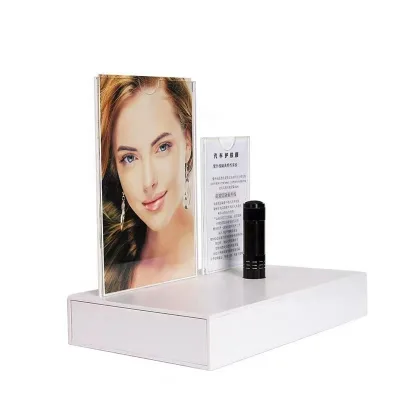
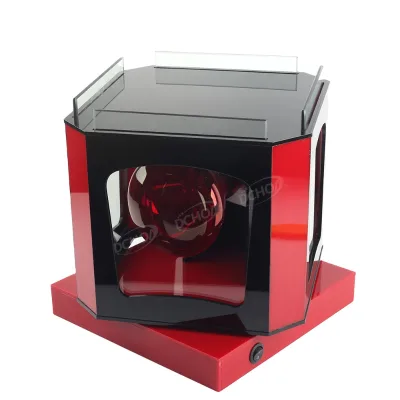
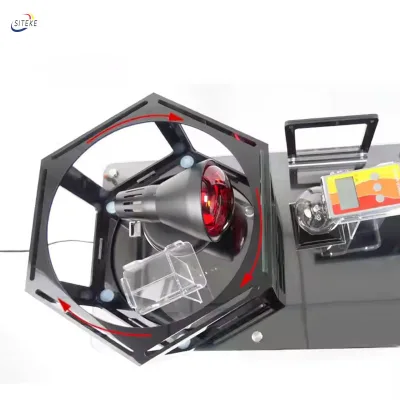
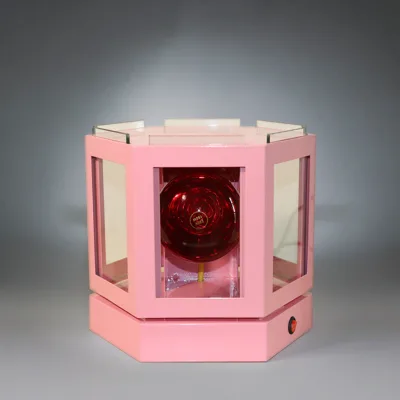
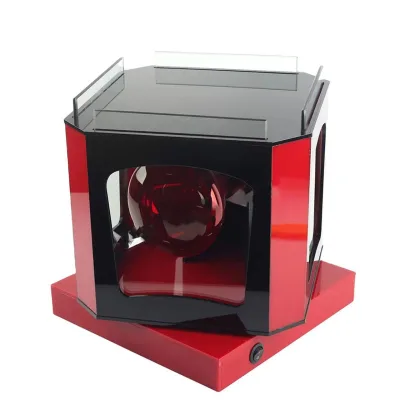
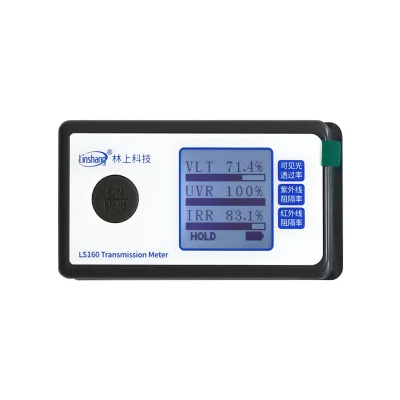
The current market landscape for window film solar testers reveals a significant diversity in product types and intended functionalities. Listings indicate the presence of specialized devices such as the FS2150 Sales Kit, which is designed for comprehensive solar film testing including VLT, IR, and UV metrics. Additionally, there are dedicated temperature meters like the LS300, which utilize Philips infrared lamps to measure heat reduction, and general transmission meters like the LS160A and LS180. This variety suggests that buyers should not assume a single device covers all testing requirements, but rather select tools based on the specific film properties they need to validate.
Observed listing signals highlight key operational differences that impact usability and deployment. For instance, some devices feature digital displays and manual controls, while others emphasize portability with compact packing sizes such as 21x13x6cm. Power supply options vary considerably, with some units requiring AC110V, AC220V, or AC380V, while others operate on 4*AAA alkaline batteries or 5V AC/DC adapters. These factors directly influence where and how the equipment can be used, making it essential to verify power compatibility and physical dimensions before finalizing a purchase order.
Technical Specifications to Verify
Accuracy and resolution are paramount when selecting a solar tester, as these metrics determine the reliability of your film performance data. Listings show accuracy ratings ranging from +/-2% to better than +/-2%, with some specialized units achieving +/-0.5°C for temperature measurements. Buyers must verify the specific accuracy grade relative to Full Scale (Fs) and understand the resolution limits, such as 1% resolution, to ensure the device meets the precision requirements of their quality control standards. Discrepancies in accuracy claims can lead to incorrect film grading and customer dissatisfaction.
Spectral range and peak wavelength specifications are critical for ensuring the tester covers the necessary parts of the solar spectrum. Devices should be evaluated for their ability to measure UV peaks around 365nm, visible light peaks at 550nm, and IR peaks between 1000nm and 1700nm. Some listings specify narrow ranges like 260nm-380nm for UV, while others indicate broader IR capabilities. It is vital to confirm that the selected instrument’s spectral response aligns with the film’s advertised performance characteristics, particularly for high-performance low-E or ceramic films that rely on specific IR rejection profiles.
Compliance and Safety Documentation
Electrical safety compliance is a primary concern when sourcing devices that operate on mains power. Listings indicate power supplies ranging from AC110V to AC380V, which necessitates verification of local electrical standards and plug types. Buyers should request evidence of compliance with relevant regional safety standards, such as CE or UL, to ensure the devices are safe for use in their specific market. This is particularly important for laboratory environments where multiple high-voltage instruments may be in operation simultaneously.
Data integrity and calibration documentation are equally important for maintaining long-term measurement accuracy. Buyers should inquire about the availability of calibration certificates and the recommended calibration intervals for the selected devices. Since accuracy can drift over time, especially in devices with digital displays and electronic load components, having access to traceable calibration services is essential. Verify whether the supplier provides calibration support or if third-party services are required, and ensure that the device’s software or display allows for easy recording and export of test data for audit purposes.
Cost Drivers and Commercial Terms
The cost of window film solar testers is influenced by several factors, including the complexity of the measurement technology, the brand reputation, and the included accessories. Listings show a wide price range, from affordable handheld units to more expensive kits that may include multiple sensors or specialized lamps. The inclusion of features such as digital displays, high-accuracy sensors, and portable designs can significantly impact the final price. Buyers should evaluate the total cost of ownership, including potential costs for calibration, replacement batteries, or additional probes, rather than focusing solely on the initial purchase price.
Commercial terms such as Minimum Order Quantity (MOQ) and customization options also play a role in the procurement strategy. Observed MOQs are typically low, often starting at 1 piece, which facilitates trial purchases and small-scale acquisitions. However, buyers should check if volume discounts are available for larger orders. Additionally, some suppliers offer customization services, which may be relevant for branding or specific technical requirements. Understanding these terms helps in negotiating better deals and aligning the purchase with budget constraints and inventory management strategies.
Supplier Qualification and Quality Control
Supplier verification is a critical step in ensuring the reliability of the sourced equipment. Buyers should assess the supplier’s location and manufacturing capabilities, with many listings indicating origins in Guangzhou, China. While this region is a hub for electronic manufacturing, it is essential to verify the supplier’s track record, production capacity, and quality control processes. Requesting samples for initial testing can help validate the device’s performance and build quality before committing to larger orders.
Quality control measures should extend beyond the initial product inspection to include ongoing support and warranty terms. Buyers should inquire about the supplier’s response time for technical issues, availability of spare parts, and the duration of the warranty period. Given the precision nature of these instruments, a robust after-sales support system is crucial for minimizing downtime. Additionally, verify the packaging standards, such as one-piece-one-box configurations, to ensure safe transit and prevent damage to sensitive electronic components during shipping.
Long-Term Procurement Checks
Long-term procurement success depends on the ability to adapt to evolving film technologies and testing standards. As window films continue to incorporate advanced materials for improved heat rejection and UV protection, the testing equipment must be capable of measuring these new parameters. Buyers should consider the upgradeability of their devices and the availability of future firmware or hardware updates from the supplier. This ensures that the initial investment remains relevant as film technology advances.
Sustainability and lifecycle management are also important considerations for long-term procurement. Buyers should evaluate the environmental impact of the devices, including power consumption and battery disposal requirements. Opting for devices with energy-efficient power sources and recyclable packaging can contribute to broader sustainability goals. Additionally, establishing a clear plan for device retirement and replacement, including data migration and disposal protocols, ensures that the procurement process remains efficient and compliant with environmental regulations.
FAQs
What does a window film solar tester measure?
A window film solar tester measures visible light transmission (VLT), infrared (IR) rejection, and ultraviolet (UV) rejection of solar film. Listed models cover IR wavelengths from 1000nm to 1700nm and UV peak wavelength of 365nm within a 260nm-380nm range. Results are shown on a digital display, making the meter suitable for film installation shops, quality checks, and sales demonstrations.
How accurate is a window film solar tester?
Accuracy is typically better than plus or minus 2 percent for colorless and transparent materials. Resolution is listed at 1 percent, with accuracy grade expressed as plus or minus 4 percent of full scale plus 2 digits. Accuracy can vary slightly with film color and thickness, so test the same spot consistently and allow the meter to warm up before taking readings.
Which power sources do window film solar testers use?
Available models support several power options, including AC110V, AC220V, and AC380V power supplies, and portable units powered by 4 AAA alkaline batteries or a 5V AC/DC adapter. Some benchtop machines also use electronic load methods. Choose the power option that matches your workshop supply and whether you need portable field testing or fixed-station testing.
Can one tester check all three layers of window film?
Yes, solar film transmission meters are designed to test VLT, IR, and UV in one instrument. The VL peak wavelength is 550nm, the IR peak is 1400nm, and the UV peak is 365nm, covering the three bands installers report to customers. For tinted or reflective films, record readings on both sides of the film and average results for a reliable comparison.
How portable are these solar film transmission meters?
Portability varies by model. Handheld units measure about 93mm by 52mm by 25mm and weigh around 590g, packing in a 21 by 13 by 6cm box, while larger units measure 216mm by 134mm by 29mm. Battery-powered handhelds are best for on-site demonstrations at showrooms or customer vehicles, while benchtop models suit workshop testing.
What accessories come with a solar film testing kit?
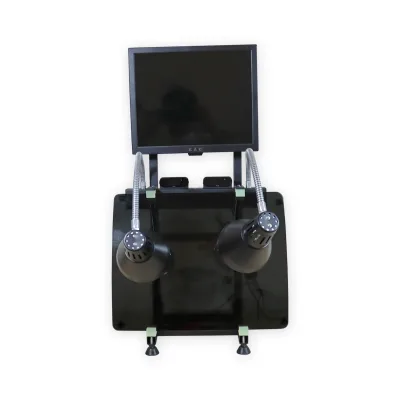
Sales kits such as the FS2150 Sales Kit are packaged one piece per small box, with packing sizes around 450mm by 350mm by 180mm for larger units. Some setups include a Philips 150W infrared lamp, as listed for the LS300 solar film temperature meter, which supports temperature demonstration alongside transmission testing. Confirm the exact kit contents with the supplier before ordering.
Can I order a single window film solar tester unit?
Yes, the listed MOQ is 1 piece, so single-unit orders are accepted. Customization is available, including color options such as silver, gray, black, and white depending on the model. This makes it practical for installers to buy one demo meter first, verify readings against sample films, and then place larger orders later.
How do I choose between different solar film tester models?
Match the model to your testing purpose. Handheld transmission meters like the LS160A and LS180 suit quick VLT, IR, and UV checks on installed glass, with measurement ranges up to 19999uW/cm2 on some units. Larger benchtop instruments offer digital displays and higher power supplies for workshop use. Consider temperature testing needs too, since some meters measure -55 to +85 degrees Celsius.